Where monsoon actually improves the trip
June to September is the cheapest travel window in India, and for a handful of destinations it is also the best one.
The saving is real
Off-season rates in India are not a small discount. A Kerala resort that charges peak rates in December will often be at half that in July, and the same is true of Goa, Coorg and most hill stations. Flights follow the same curve.
The trade is weather risk, and it is worth taking in some places and not in others.
Kerala in the rains is the best version of Kerala
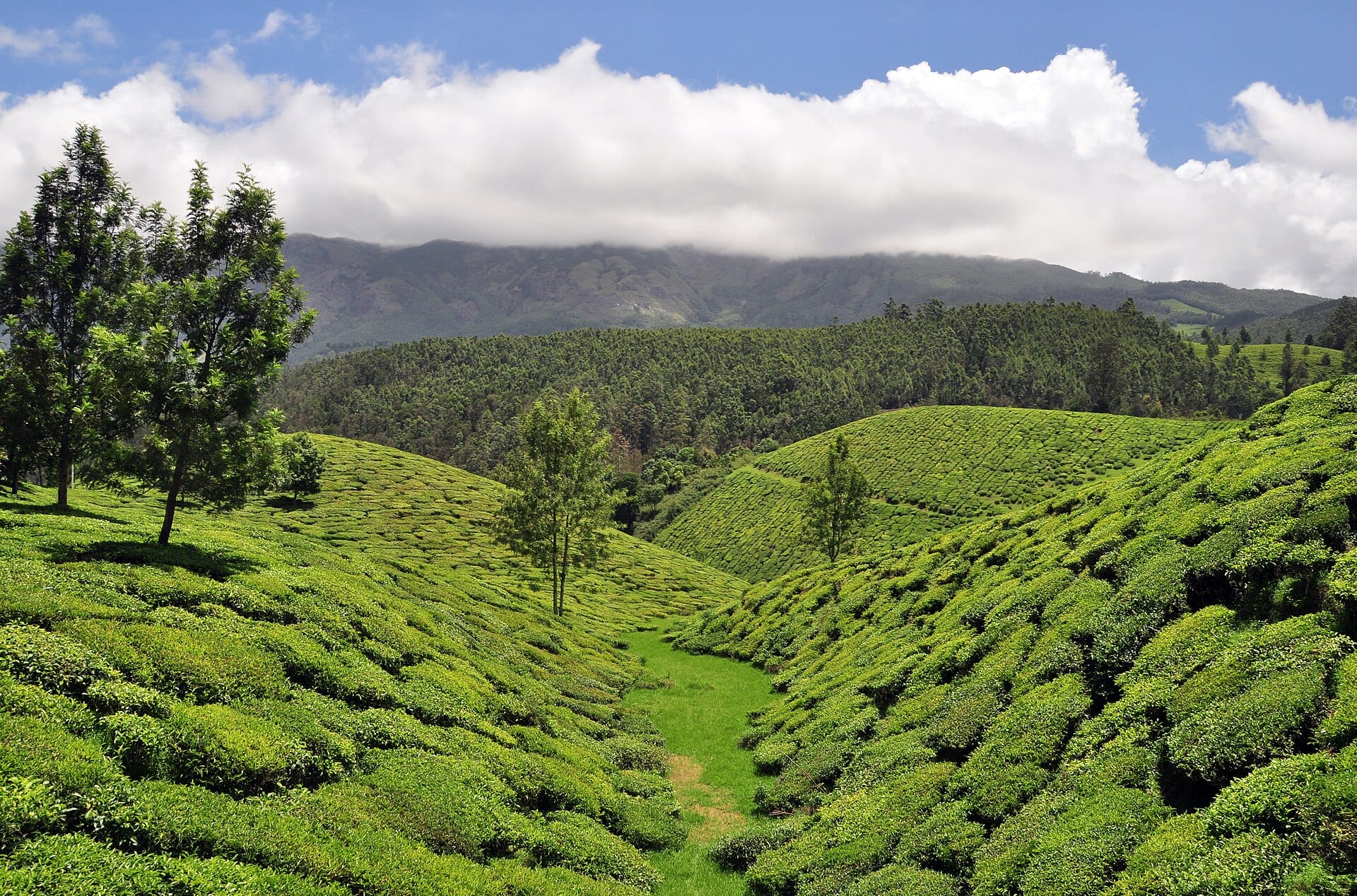
The Western Ghats are built for this. Munnar and Wayanad are greener than they ever are in season, the waterfalls are running, and the crowds are gone. Ayurvedic treatment centres consider monsoon the correct season for a course, and price accordingly.
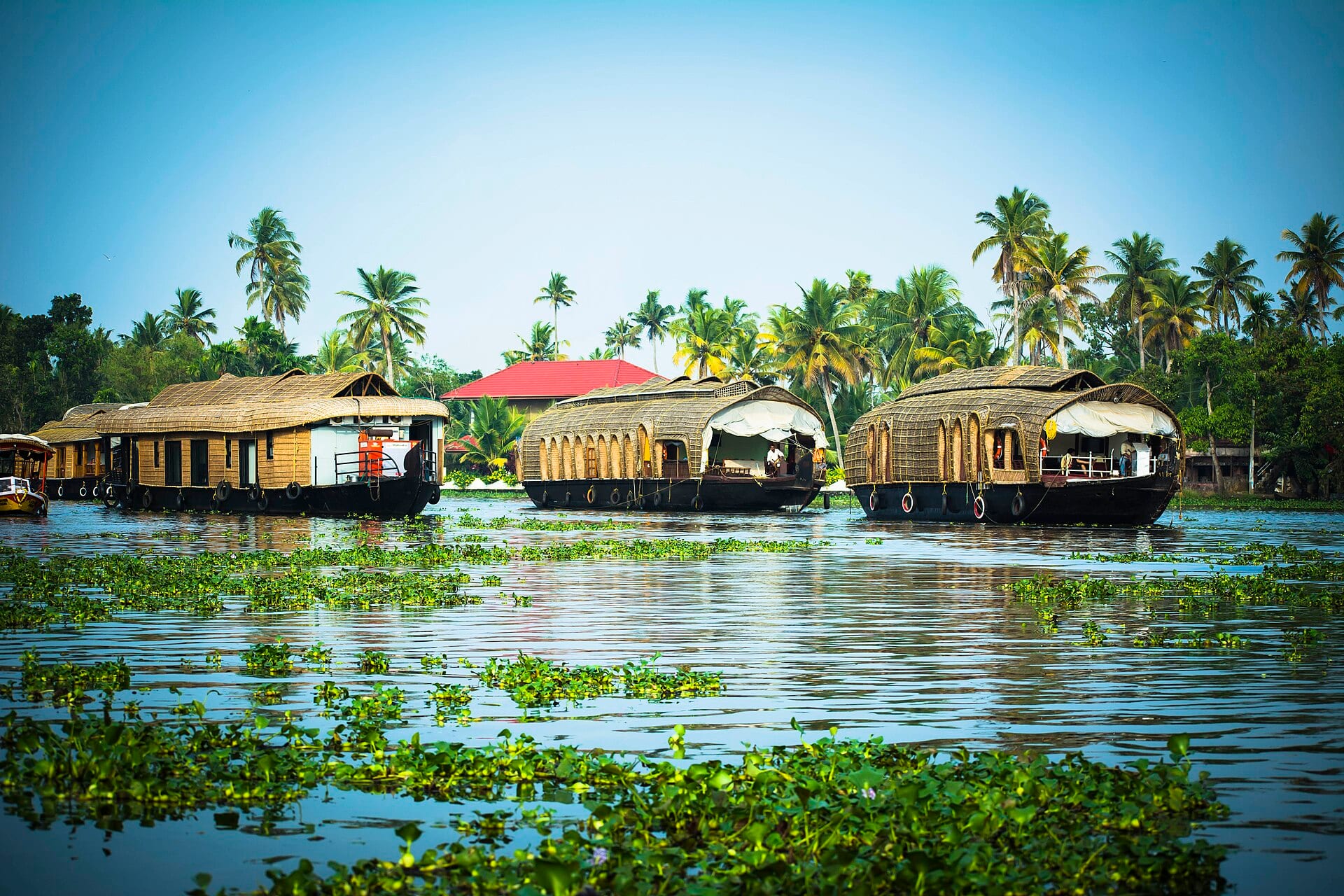
The caveat is that houseboat cruising can be curtailed on rough days and some trekking routes close. Build a spare day in and you will be fine.
Ladakh and Spiti sit above the rain
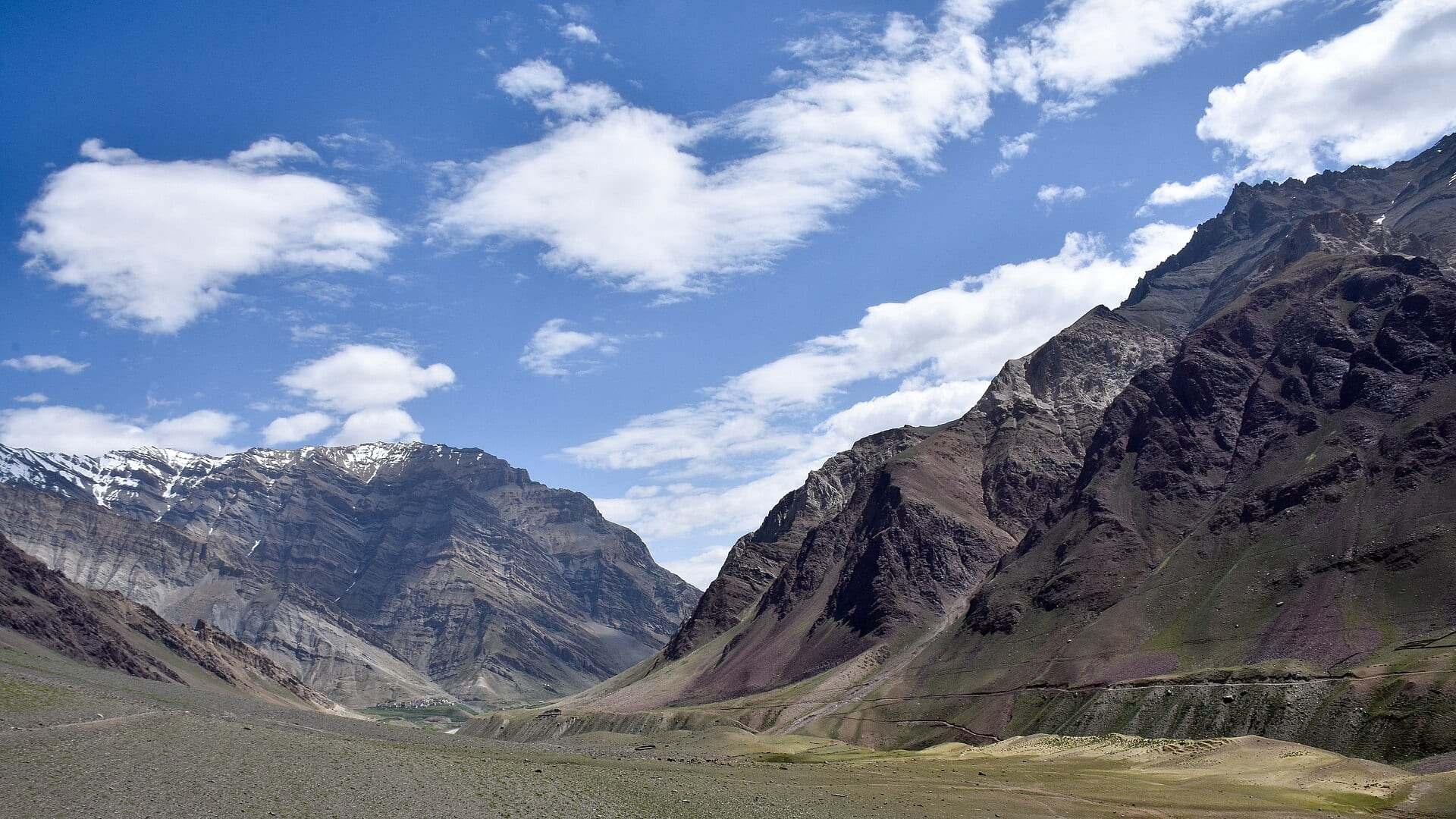
The high trans-Himalaya is in rain shadow — the monsoon largely does not reach it. June to September is not the off season there, it is the only season, because that is when the passes are open.
So while the rest of the country is wet, Leh, Nubra and Spiti are dry, clear and at their most accessible. The approach roads through Himachal can still be cut by landslides, which is an argument for flying into Leh rather than driving up.
Where not to go
Coastal Maharashtra and coastal Karnataka get genuinely heavy rain and the sea is closed to swimming. The Andamans have ferry cancellations from May through September. Uttarakhand's hill roads are landslide-prone in July and August and the Char Dham routes are periodically shut.
Rajasthan is a mixed case: the rain is light, it cools things from unbearable to merely hot, and Udaipur's lakes are full. That one is worth the gamble.